
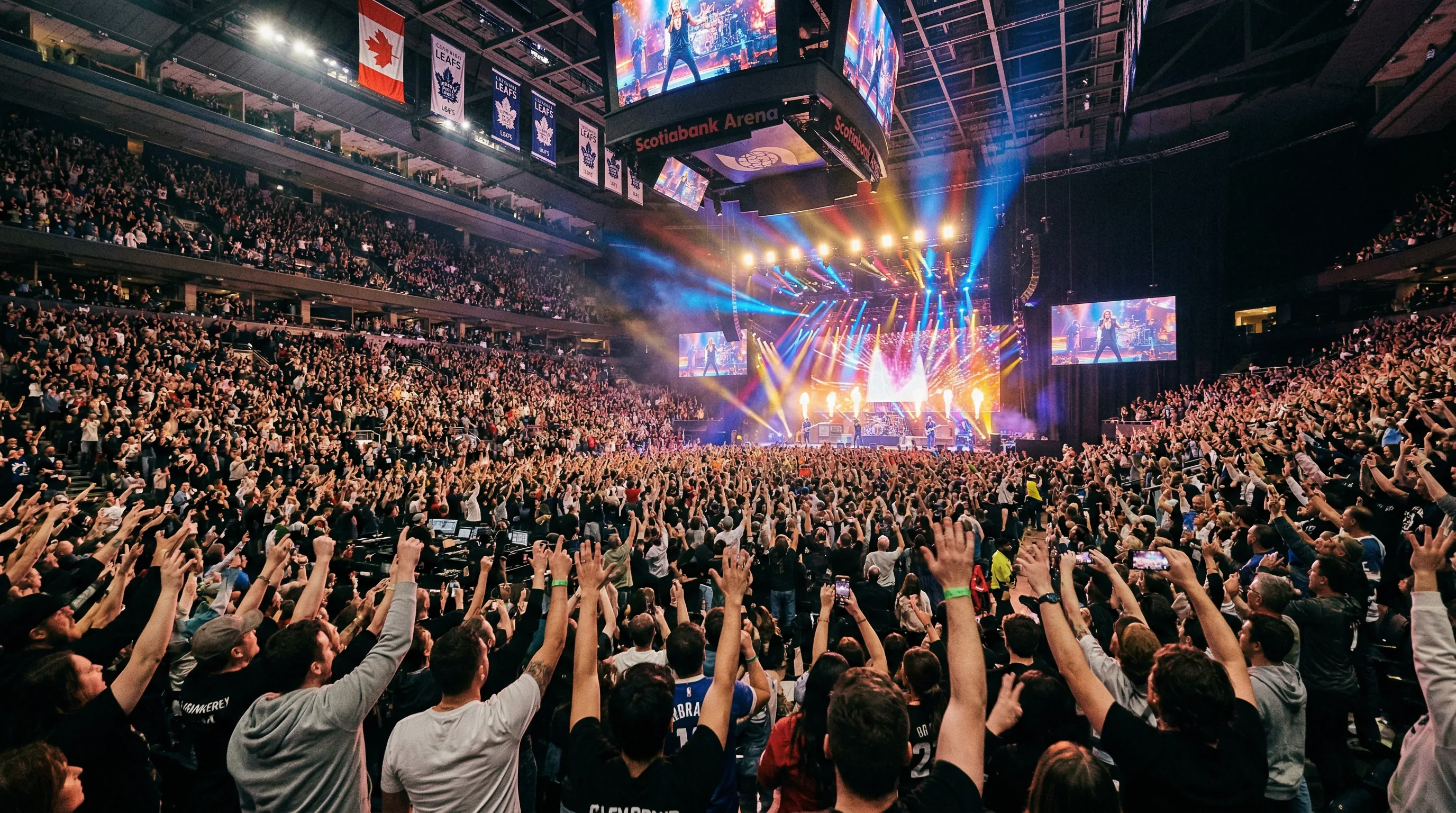
Ontario Premier Doug Ford has announced plans to crack down on ticket scalping in the province, proposing amendments to the Ticket Sales Act that would make it illegal to resell tickets for concerts, sports events, and other live performances at prices above their original face value.
The announcement, made in late March 2026, represents a significant reversal for the Ford government, which in 2019 repealed an earlier Liberal-era proposal that would have capped resale prices at 50 percent above face value. The renewed push comes after widespread public frustration over inflated ticket prices, most notably during last year's World Series in Toronto, where resale tickets reportedly topped $21,000.
What the Proposed Law Would Do
Under the proposed amendments, it would be illegal for anyone to resell tickets to live events in Ontario for more than their original cost. The original cost is defined as the all-in price originally paid to the primary seller, plus any fees, service charges, or applicable taxes charged on the resale transaction. This means that resellers could recover what they paid for a ticket but could not profit from the transaction.
The ban would apply to individual resellers as well as to platforms that facilitate ticket resale, including major marketplaces like StubHub, SeatGeek, and Ticketmaster's own resale platform. The government has also signalled its intention to create new powers aimed at preventing unfair service charges and fees during the purchasing process, addressing concerns that platforms could simply shift profits from the ticket price into inflated service fees.
Violators could face penalties of up to $10,000, according to provincial officials. The government has indicated that enforcement will treat violations as unlawful acts, with investigators pursuing offenders through existing regulatory channels.
Why the Change Matters for Markham Residents
Markham and Richmond Hill residents attend a wide range of live events, from concerts at major Toronto venues to local performances at the Flato Markham Theatre, sporting events at the Markham Pan Am Centre, and the growing calendar of festivals and community events across the region.
The proposed legislation is particularly relevant given several high-profile events coming to the area. The Yonex Canada Open, a major international badminton tournament, returns to the Markham Pan Am Centre from June 30 to July 5, 2026. The Ontario Honda Dealers Indy at Markham, a new IndyCar racing event on a temporary street circuit in downtown Markham, is scheduled for August 14 to 16. Both events are expected to generate significant ticket demand, the exact conditions under which scalpers have historically thrived.
For fans who have experienced the frustration of watching ticket prices surge on resale platforms within minutes of a public on-sale, the proposed ban offers a measure of protection. If enacted, it would ensure that anyone purchasing a resale ticket in Ontario pays no more than what the original buyer paid.
Context and Criticism
Ontario's approach follows similar legislation recently enacted or proposed in other jurisdictions. The United Kingdom implemented a ban on for-profit ticket resale in 2025, and Quebec has introduced its own bill prohibiting resale prices above the original cost unless authorized by the event producer.
However, the proposal is not without its critics. Some argue that ticket resale serves a legitimate market function, allowing people who can no longer attend an event to recoup their costs. Others point out that enforcement will be challenging, particularly for transactions that occur on international platforms or through peer-to-peer sales outside of regulated marketplaces.
Ticket resale platforms have raised concerns as well. Representatives from companies like SeatGeek have noted that without a resale market, ticket prices may simply be set higher by primary sellers, or tickets may be more difficult to obtain through official channels. The debate over how to balance consumer protection with market dynamics is ongoing.
The provincial government has stated that extensive consultations will take place before the amendments are finalized, including discussions about enforcement mechanisms and the regulation of platform fees.
What This Means in Practice
If the legislation passes, Markham residents looking to buy tickets for events should be able to purchase resale tickets without fear of paying inflated prices. The law would also protect sellers who need to offload tickets they can no longer use, allowing them to sell at face value through any platform.
For event organizers in Markham and across Ontario, the legislation could shift how tickets are distributed and priced. Some may adopt more robust anti-scalping measures at the primary sale level, such as identity-linked tickets or staggered release schedules, to reduce the supply of tickets available for resale in the first place.
The proposed changes are currently in the consultation phase, with no confirmed date for when the amendments would take effect. Markham residents interested in following the progress of the legislation can monitor updates through the Ontario government's official channels.
For more local news and community updates across Markham and Richmond Hill, visit MarkhamBusiness.com.
About the Author

Local News Editor
Sarah Chen has been covering local news in Markham and Richmond Hill for over eight years. Before joining MarkhamBusiness.com, she worked as a community reporter and has contributed to several Toronto-area publications. A long-time Markham resident, she lives in the Unionville area with her family and has a special interest in municipal government, public infrastructure, and the rapidly changing demographics of York Region.
View all posts by Sarah →